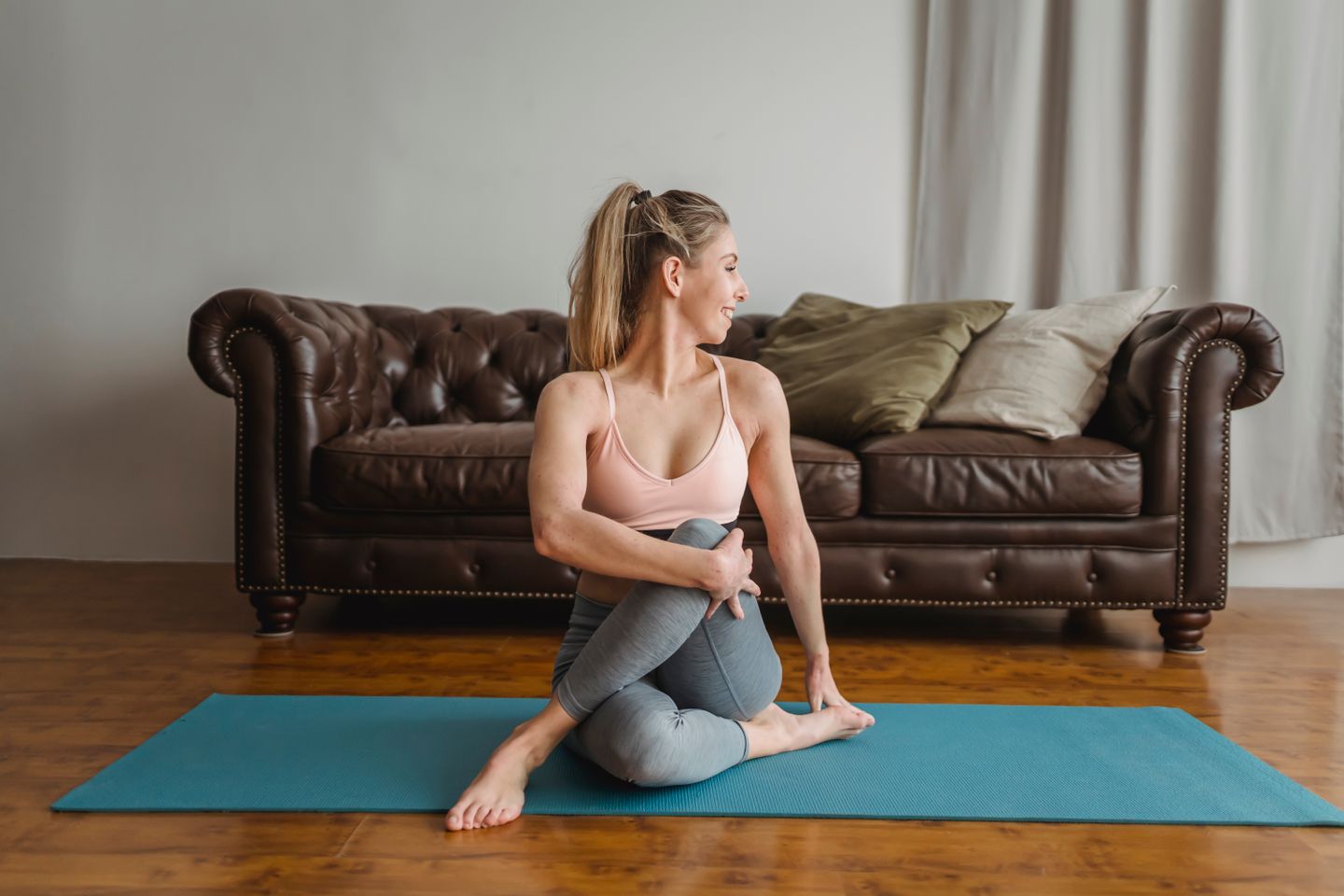
Notice the room you have
Check the actual room conditions before choosing a session. The weather outside may not match the temperature indoors, especially in a shaded room or a heated home. Notice whether sitting still feels cool, whether the floor is welcoming, and whether the place you planned to use remains convenient.
You can make a small change before beginning, such as moving away from a draft or choosing a different room. Keep the choice practical rather than trying to create a seasonal atmosphere. A comfortable indoor arrangement can be ordinary, with no need for special decorations or a prescribed winter or summer routine.
Keep simple adjustments available
In a cool room, a removable layer may be helpful when you plan to spend time resting. Choose clothing that still allows easy movement and keep extra fabric clear of your feet. If the floor feels unpleasant, use a supported seated version instead of insisting on the original floor-based plan.
In a warm room, choose a level of effort that feels comfortable and adjust the surroundings when convenient. A fan or an open window may suit the space, but neither is required. Keep electrical cords and moving curtains away from the practice area, and avoid using heat as a reason to push harder.
Let the sequence stay flexible
Begin with an easy version of the movement you selected and decide whether you want to continue. Conditions may affect your preferences, but they do not dictate a particular pose list. A shorter session, a quieter rest, or a change from floor work to sitting can all be reasonable choices.
Do not assume that more layers call for faster movement or that a sunny day requires an energetic practice. Choose the effort you actually want, keeping breathing comfortable and ordinary. You can revise the plan after the first action instead of committing to a seasonal expectation that does not fit today.
Review the setup as you go
A room can change during a session as sunlight moves or a household activity begins. Pause to adjust a blind, remove a layer, or relocate if useful. These changes are practical parts of home practice, and there is no requirement to maintain the original arrangement simply because you have started.
Remember useful adjustments for similar conditions: a nearby layer or a seat away from a draft. Keep practice responsive without depending on a particular forecast or imagined seasonal mood.
A few common questions
Do seasons require different yoga sequences?
No. Adjust the setup and effort as needed.
What if the floor feels too cold?
Choose comfortable seated or standing movement elsewhere.
Published by the Milarela journal.